Bergama is about two hours by road from the İzmir bus terminal. In town, the Acropolis is reached by cable car or taxi, and Asklepion is a short taxi ride from the bazaar. Kale, the Arasta, the Grand Mosque, the Selinos arches, and the Red Basilica link together on foot.
Where to stay
Kale slope
Morning terraces in stone houses; expect steep lanes with luggage.
Around the Arasta and Grand Mosque
Stays closest to the evening walk, with flatter thresholds.
Cumhuriyet Caddesi
Beside the museum gate, with level access to buses and taxis.
What to eat, when to visit
Bergama tulum cheese · Kozak pine nuts and pine honey · Olive-oil blessed thistle
April to June and September to October are the most balanced months for the terraces; a summer noon belongs in the museum halls and the shade of Çukurhan, and winter rain makes the stream bed slick.
4 visitor tips
Hellenistic Terrace Engineering
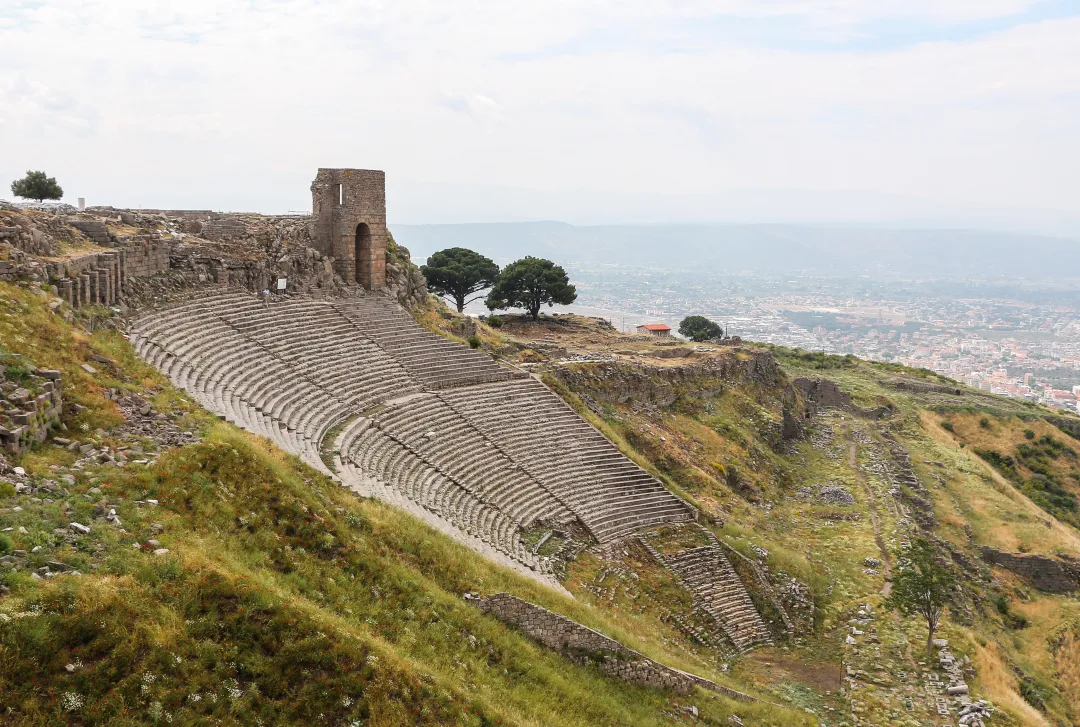
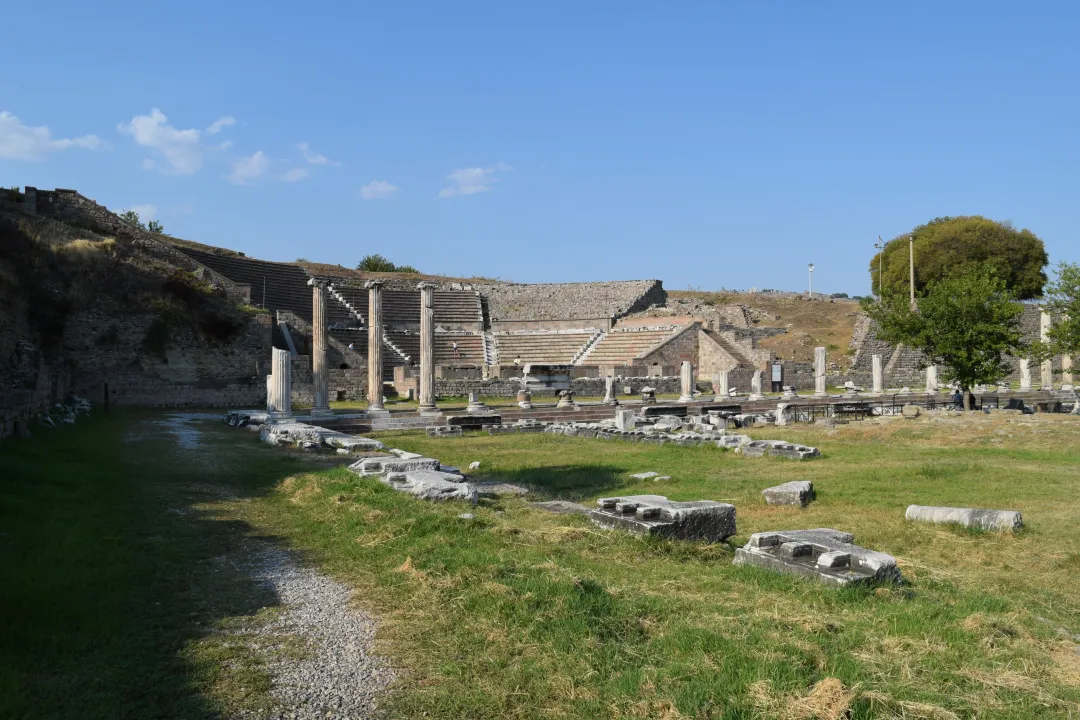
Attalid engineering shelves the slope: stoas work like retaining walls, and agoras sit on platforms of leveled earth. The theater’s ten-thousand-seat cavea is the steepest of those shelves, using the gradient without turning it into a free-standing bowl. The sanctuaries above line up on broader platforms, like a windward viewing terrace.
Read the terraces from top to bottom; the stoa in front of each shelf is the wall holding the earth behind it.
Red Basilica and the Twin Selinos Tunnels
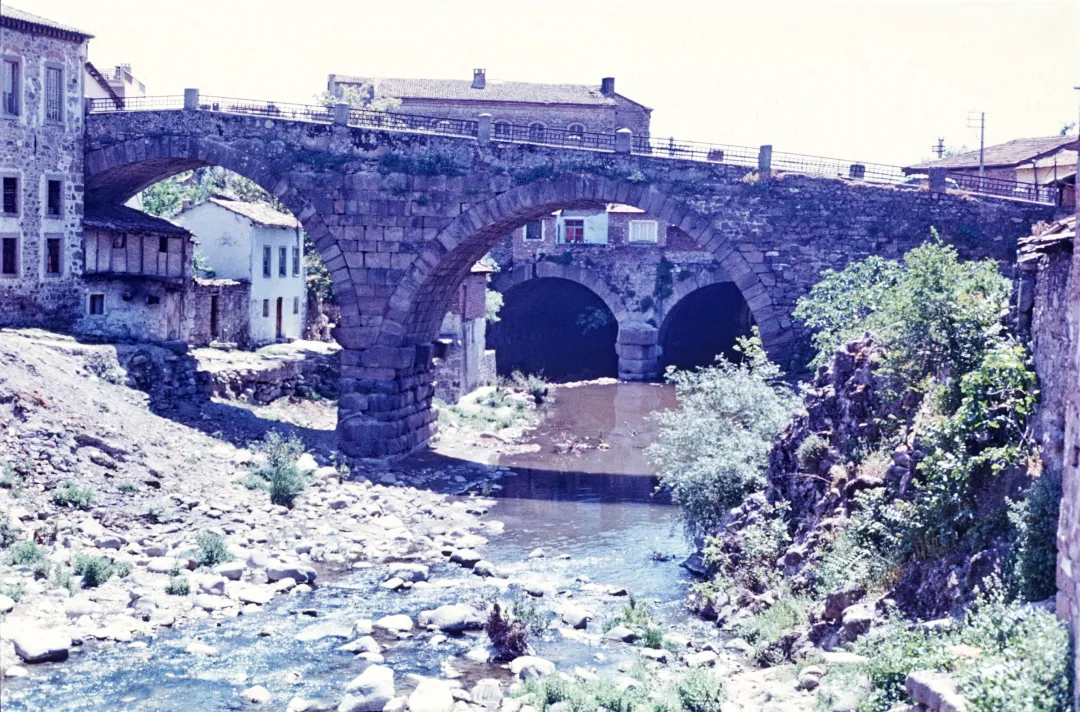
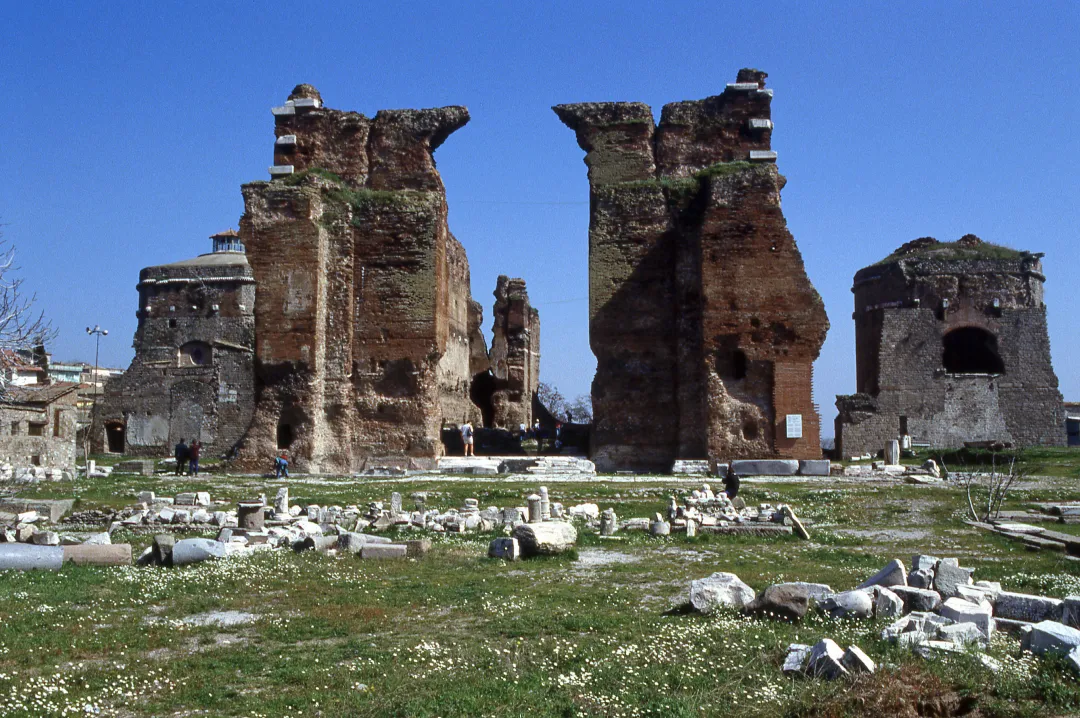
The Red Basilica turns a river obstacle into architecture. To keep the courtyard level, the Selinos was led into two side-by-side vaults and the sanctuary was bridged over the stream. Brick was chosen as the load-bearing body under a marble skin, so the red mass is what remains readable once the coating falls away.
Walk south from the courtyard axis; the tunnel mouth shows why the monument stands directly over the stream.
The Architectural Language of Asklepion
At Asklepion the plan is a treatment sequence. The colonnaded way carries the visitor from the noise of the city to the propylon, while the library and theater set the words and the festival of recovery. The vaulted passage is the half-dark approach linked with incubation, and the round temple closes the walk.
Do not hurry on the colonnaded way; the propylon threshold is the real door between the city and the sacred courtyard.
Continuity of Kale Quarter and the Arasta
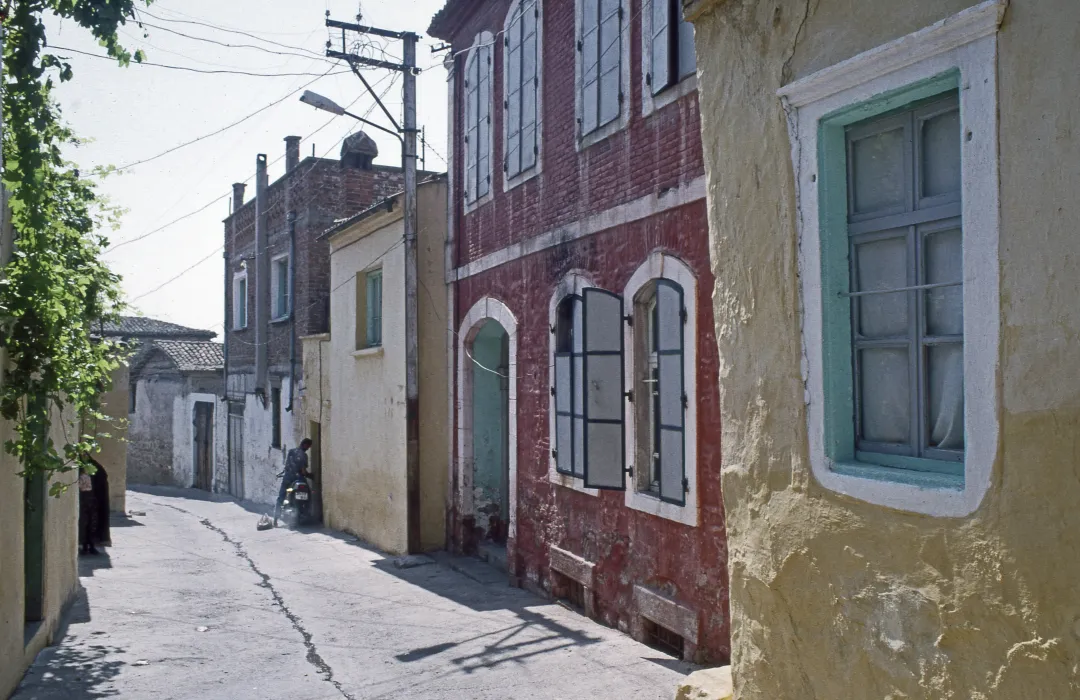
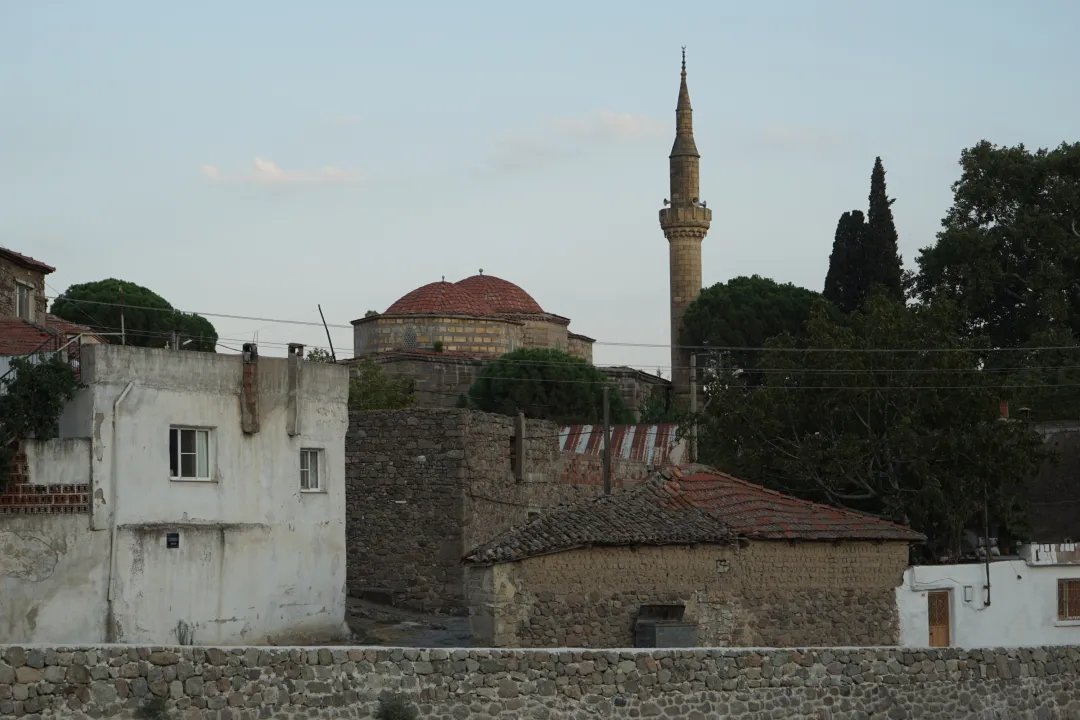
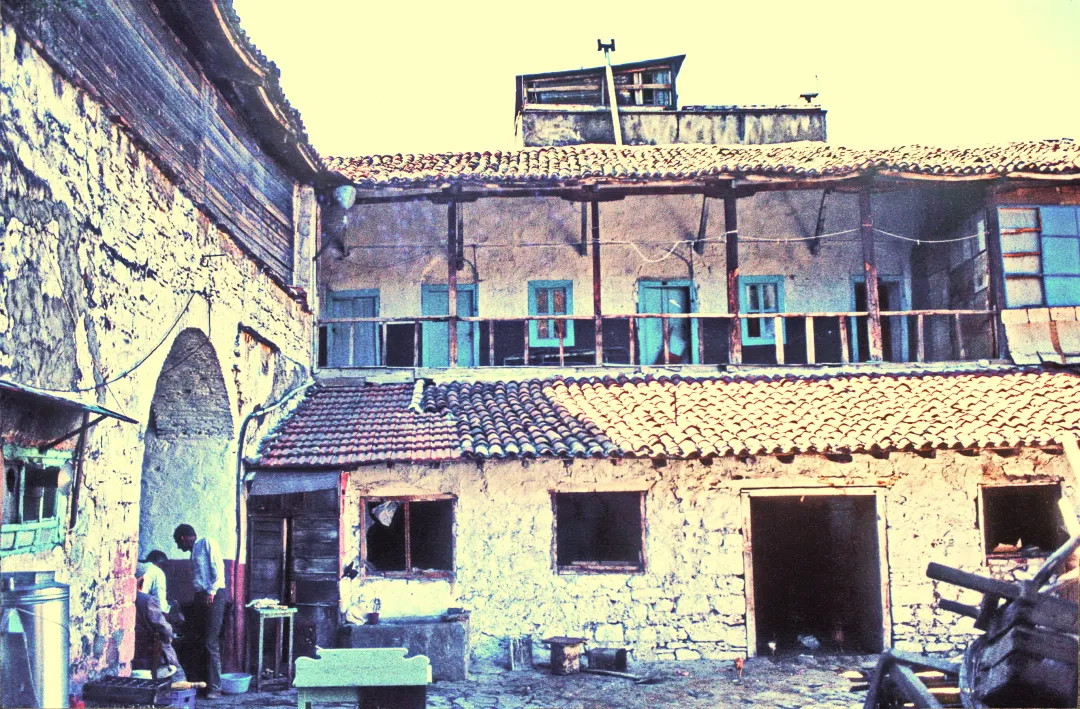
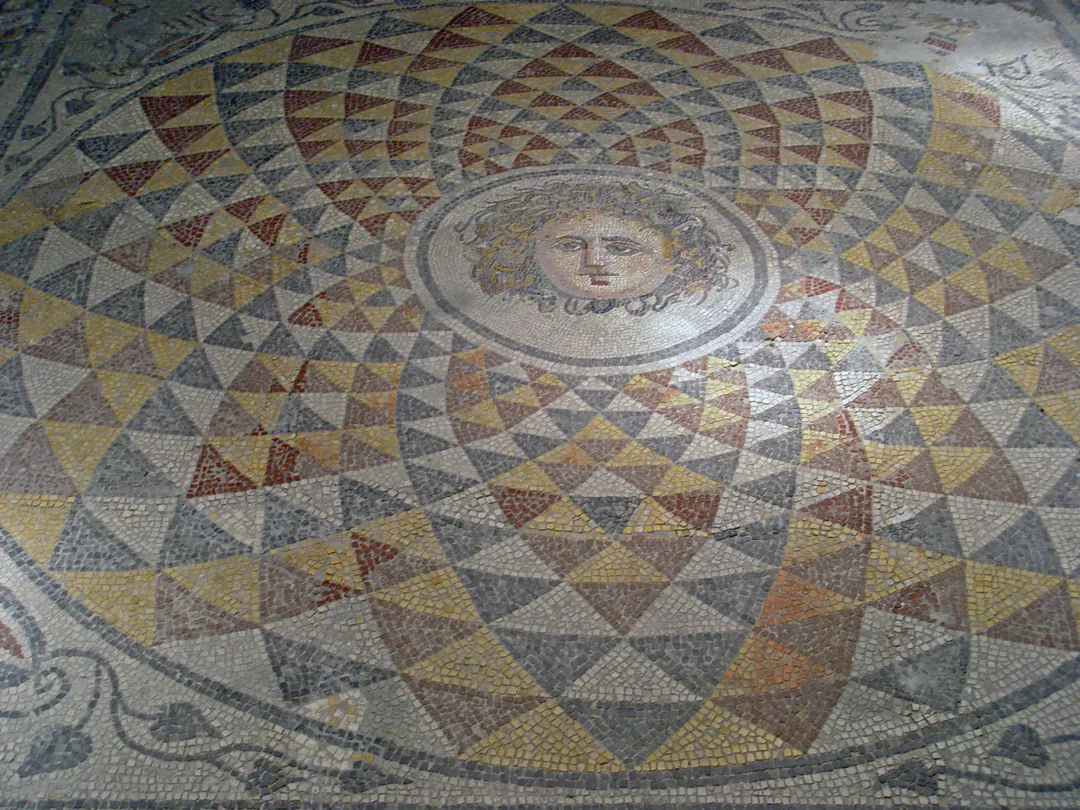
The Kale lanes and the Arasta are not where the ancient city ends; they are the later layer that reuses its stone. Reused blocks in house basements, the Grand Mosque of 1399, and the vault trace at Çukurhan hold that continuity at different scales. In Bergama the museum hall and the neighborhood threshold explain each other.
Set an ancient block in a house foundation beside a Çukurhan arch on the same afternoon.